PMC: Transforming Clay into Noble Metals
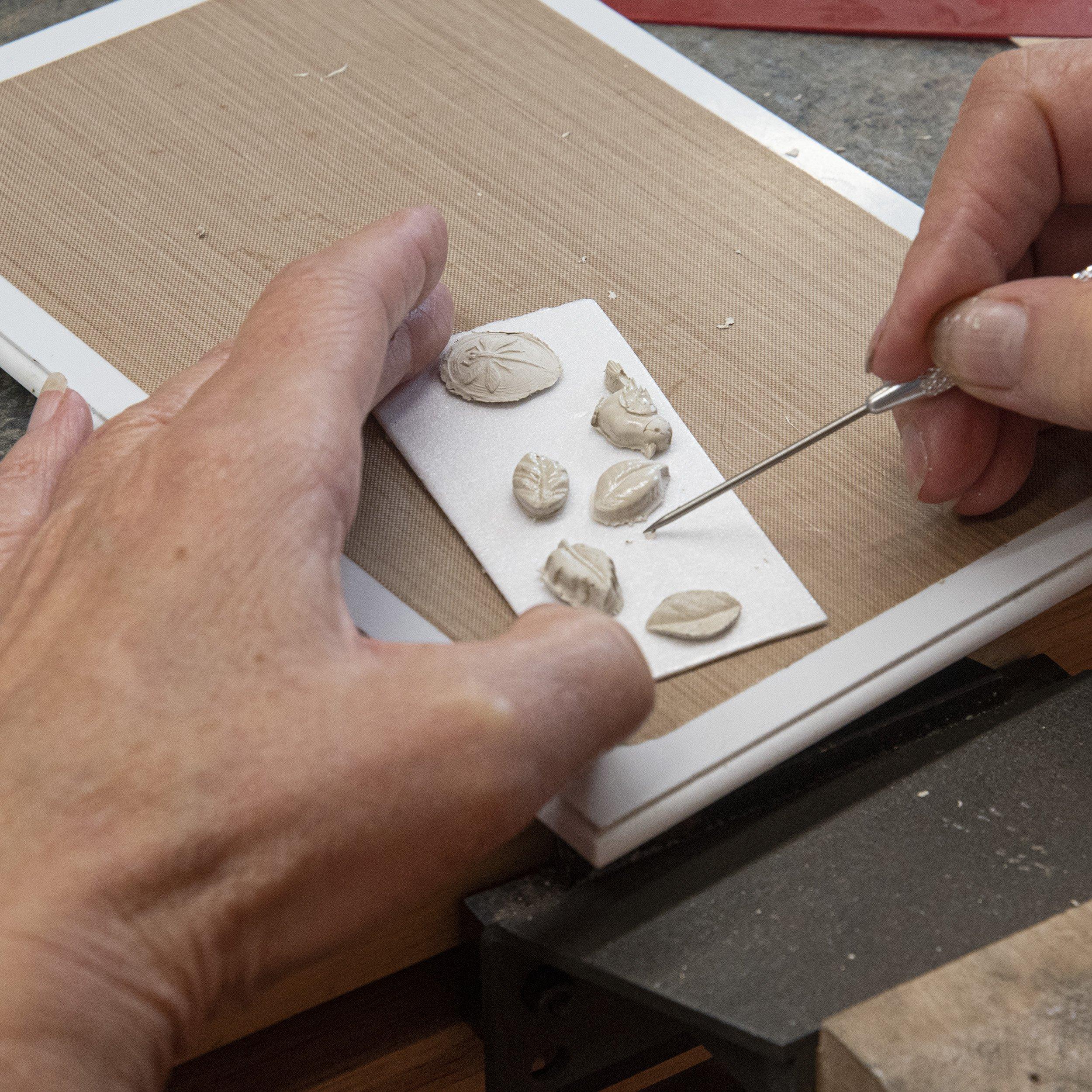
This isn't a tale from an ancient alchemy book; it's the modern art of PMC where jewelers witness the fascinating transformation of clay to silver or gold. Originally developed in Japan by Mitsubishi Materials Corp. and brought to the U.S. through Rio Grande Gems and Findings, the process involves heating clay laden with tiny particles of precious metals, turning dreamers into modern-day alchemists.
The Birth and Evolution of PMC
PMC may sound like an innovation for the distant future, but it has been turning heads since its American introduction in 1996. It has broadened the horizons for artists and metalsmiths, allowing the creation of pure metal objects from malleable material that captures every detail of its design. It's a medium that merges the art of sculpture with metal crafting, redefining the boundaries of creative jewelry design.
Working with PMC
Wielding PMC is akin to pottery, yet it necessitates precision to avert the brittleness of under-fired metal or the loss from overheating. The proper kiln, a vigilant eye, and a reliable digital pyrometer become the allies in this sophisticated process. This technique paves the way for intricate design opportunities, albeit with considerations for shrinkage during the firing process and the innate porous nature of PMC-silver.
Texturing and Molding
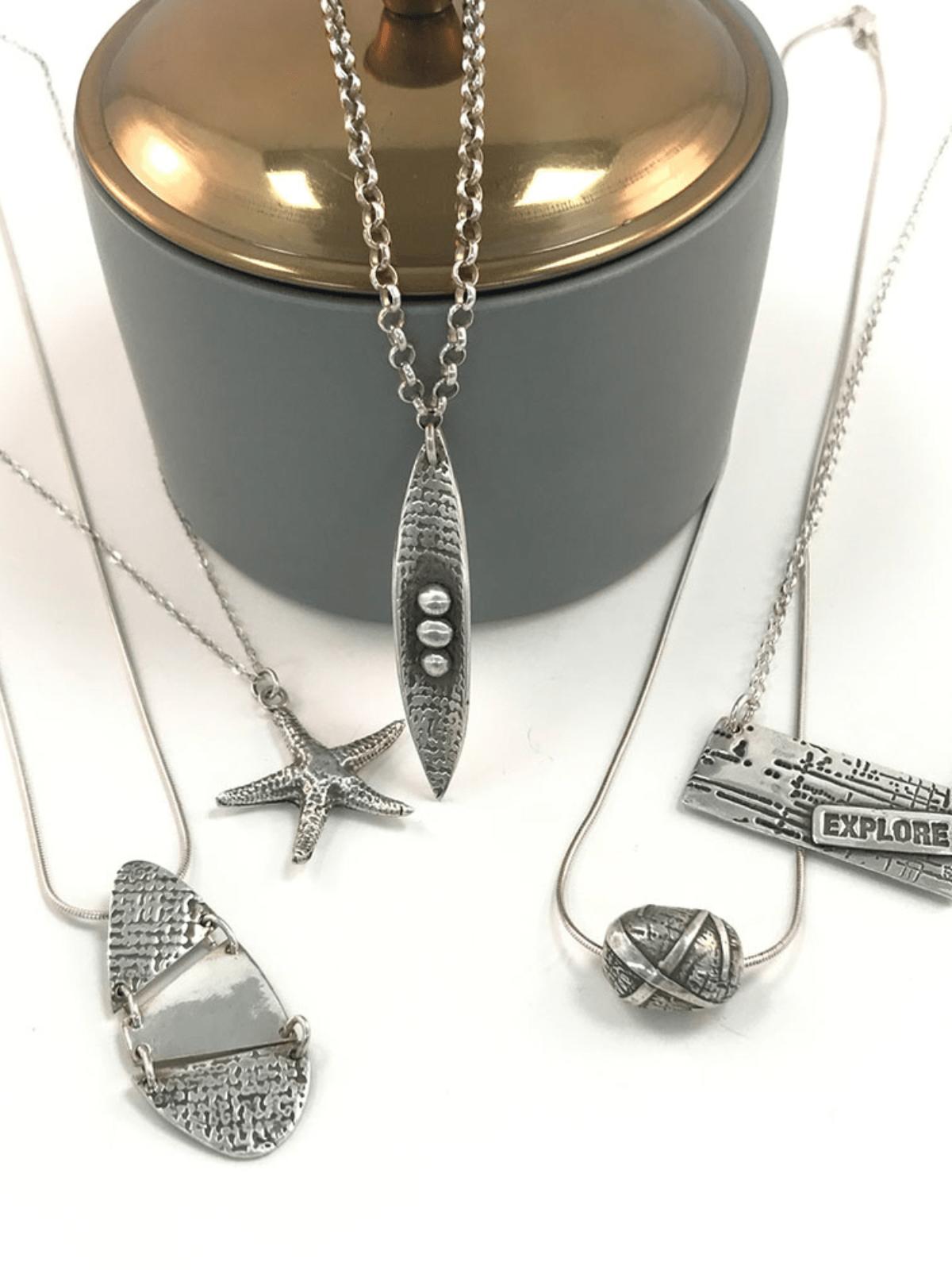
The parallels to clay are prominent in the ease of texturing and molding PMC, but one must be cautious with its quick-drying properties. The possibilities are numerous, from embedding objects to creating hollow forms like beads, which would be unachievable through traditional metal casting.
PMC and Its Integration with Other Materials
PMC's versatility shines as artists incorporate elements ranging from synthetic gems to different metal implants. Its adaptability doesn't stop there; interesting results emerge when PMC is mixed with enamels or other forms of clay.
Innovators in PMC
The allure of PMC isn't limited to seasoned jewelers. Artists like Shellie Brooks have found a kindred spirit in PMC, blending it with polymer clay to create distinct textures and designs. Others, like Barbara Simon, innovate by integrating enamel with PMC to solve challenges in wearable art.
Crossing Borders: The Global Reach of PMC
While hobbyists in Japan remain leading enthusiasts of PMC, the American market is growing with a varied audience. Workshops and studios like Precious Metal Arts in Santa Monica have embarked on a mission to democratize jewelry making, inviting the curious and the novice to partake in this alchemic craft.
The Present and Future of PMC
The introductory fervor for PMC might wane, but its potential remains significant for those venturing into metalwork without the luxury of extensive training. As artisans continue to delve into PMC's depths, it's certain that this medium will carve its niche in innovative applications and artistic expressions.
The Traveler's Connection to PMC and Jewelry Creation
For the avid traveler, hotels often serve as temporary sanctuaries where local crafts and specialties are showcased. Imagine the fine pieces crafted from PMC gracing the lobbies and suites, serving as a bridge between hospitality and the artistry of local jewelers. Each hotel stay could be an invitation to explore the cultural tapestry of a destination through its unique handcrafted jewelry pieces, entwining the elegance of travel with the enduring charm of precious metal clay creations.
Punta Cana
Cancun
- Grand Palladium Costa Mujeres
- Catalonia Grand Costa Mujeres
- Hotel Riu Cancun
- Hilton Cancun Mar Caribe All-Inclusive Resort