The Art of Embedding Goldstone in Glass Beads
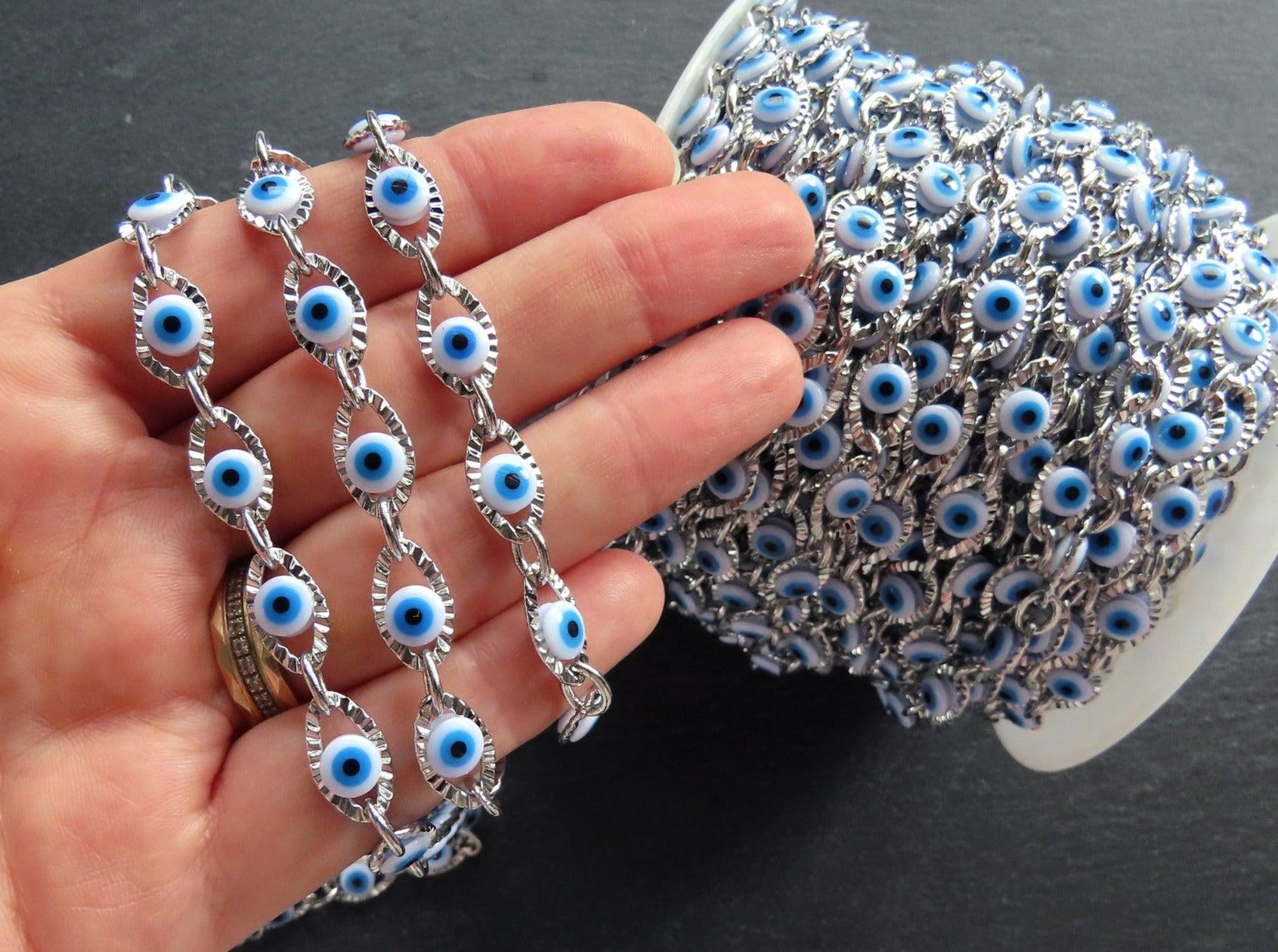
Bead making is an art form that combines the delicate intricacies of glasswork with the boldness of mineral inclusions. The process begins with a well-heated bead, ready to embrace the shimmer of goldstone chips. With practiced hands, roll the heated bead into the sparkling fragments, returning it to the flame to meld the goldstone into its surface. This dance of heat and material may be repeated to pick up additional goldstone, covering the bead uniformly or leaving intentional texture.
Once adorned with goldstone, smooth the bead to your preference. Whether you aim for a sleek surface or a tactile one, the bead must be shaped evenly for the best aesthetic and functional finish.
Mastering the Technique of Encasing Beads
Encasing beads is an endeavor that melds patience with precision. If you're new to this method, experimenting with several techniques is advisable. Encasing, though demanding in terms of time, will enhance your bead's design, adding dimension and magnifying its inner beauty.
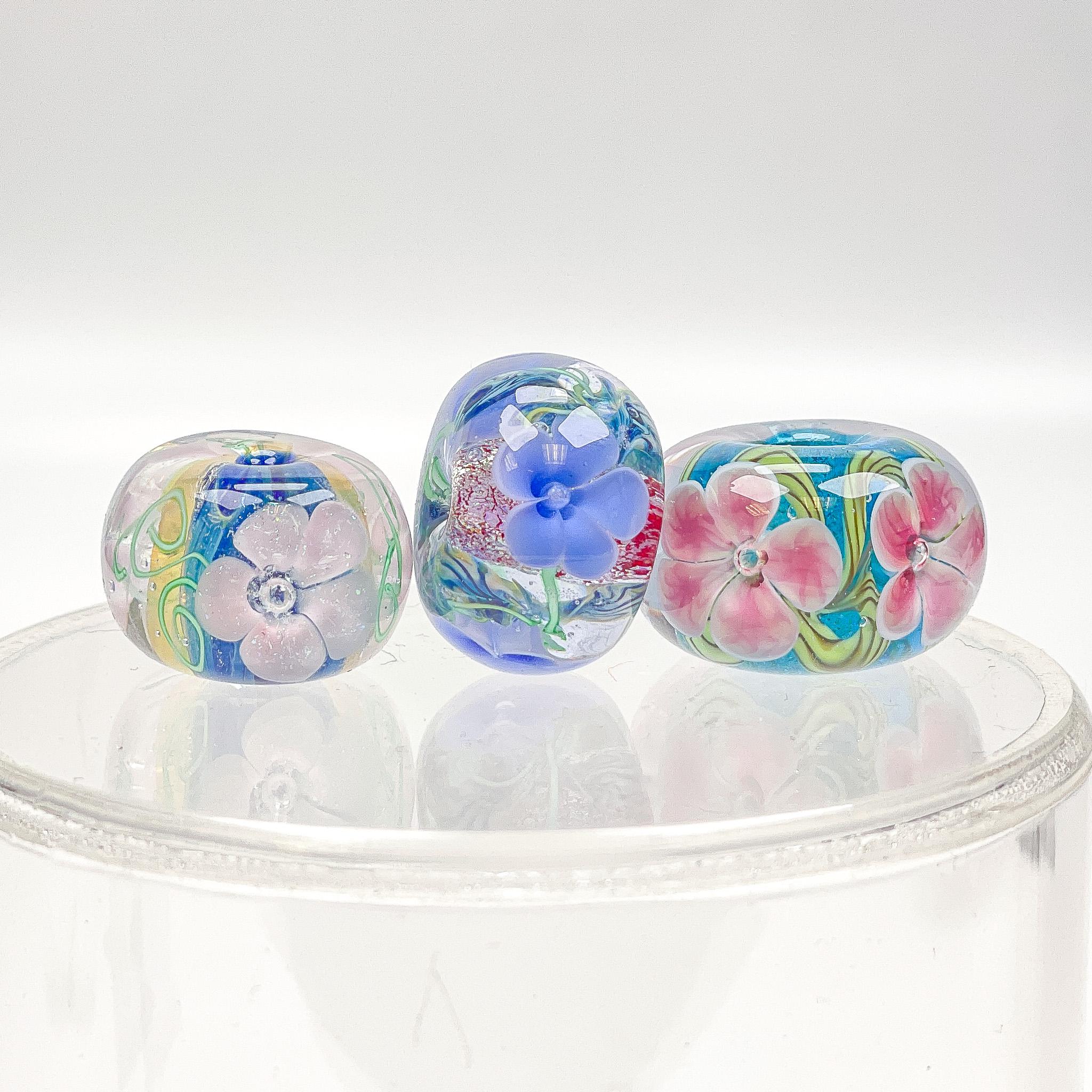
The essence lies in the careful application of a clear or subtly tinted transparent glass over your bead. Begin by melting the tip of a clear glass rod to a molten state. Keep your embellished bead warm – a balancing act that avoids cracking without smudging the design beneath.
Gently swipe the clear molten glass around the bead, pressing lightly to avoid air entrapment and ensure a flawless coat. Continue to layer until the bead is enveloped completely and any gaps are filled in.
Next, in a neutral flame, reheat the bead to smooth out the encasement. Employ mashers or a marver pad to gently reshape the bead. Your diligent efforts will reward you with a perfectly encased masterpiece.
The Final Touches: Annealing Your Bead
The creation of a bead is not complete without proper annealing. Once encased and shaped, introduce the bead to a higher level of the flame, rotating it to maintain its integrity. As the bead loses its glow, transfer it to a kilnarmer pad. Slowly work the bead into your desired shape.
After the bead is finished, evenly heat and rotate the bead higher up in the flame. Remove the bead from the heat while turning the mandrel to maintain the bead’s shape. After a few seconds, when the glow fades, place the bead in your kiln, which should be set at 960°F for annealing.
In this nurturing heat environment, the bead will stabilize, easing internal stresses, and ensuring durability. The right annealing process is the secret to a beautiful bead that lasts a lifetime.
Combining Bead Artistry with Travel Exploration
Travel often ignites inspiration, and for those with a passion for bead artistry, there are myriad opportunities to intertwine these loves. Embarking on journeys to colorful destinations can spark new ideas for your glasswork. Explore local markets for unique glass or goldstone, participate in workshops, or visit artisan communities known for their glass craftsmanship.
While planning your trip, consider accommodations that cater to the needs of creative hobbyists. Many places are equipped with peaceful spaces perfect for sketching new designs or even studios where you can work. The mix of travel experiences with your craft is not only rejuvenating but also a chance to add depth and diversity to your beadwork portfolio.
Punta Cana
- Riu Republica
- Sunscape Coco Punta Cana
- Occidental Punta Cana
- Melia Caribe Beach Resort
- Iberostar Selection Bavaro Suites
- Tropical Deluxe Princess